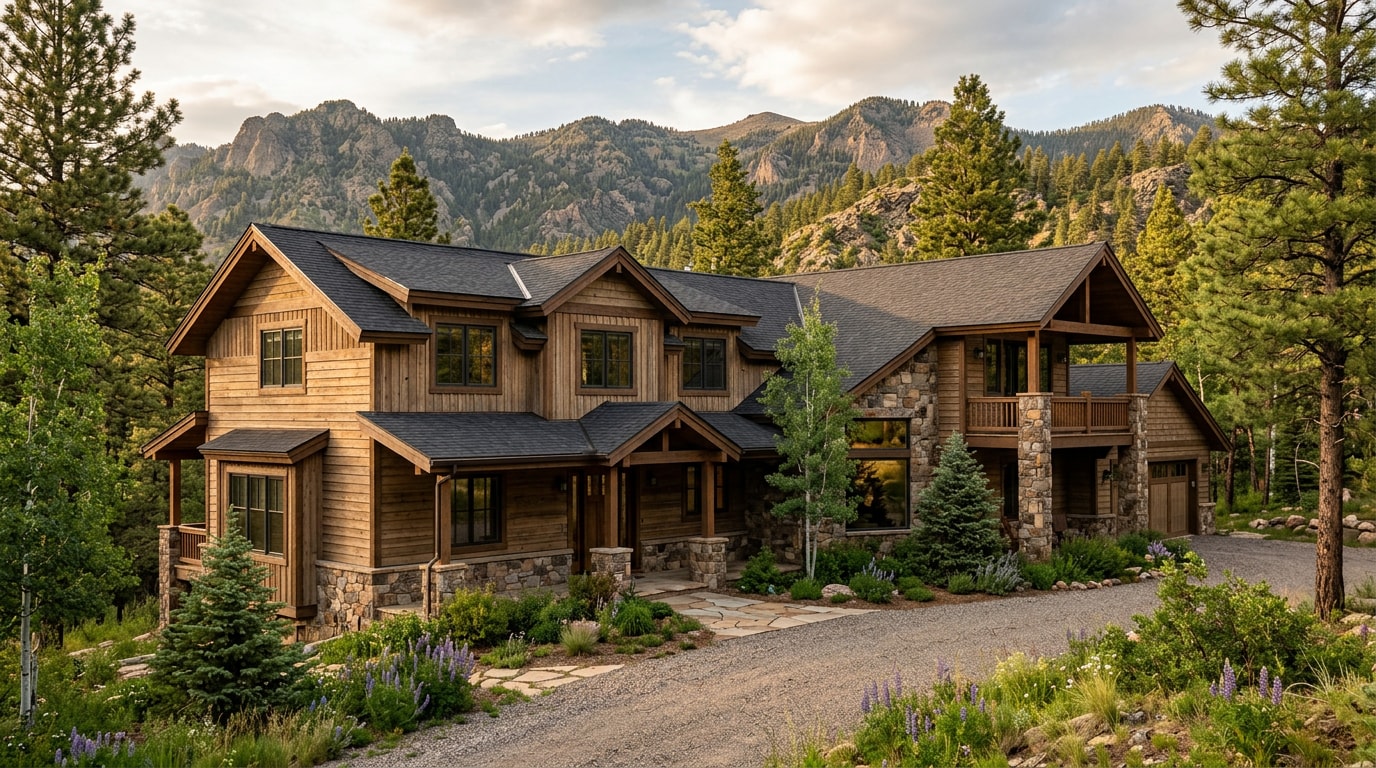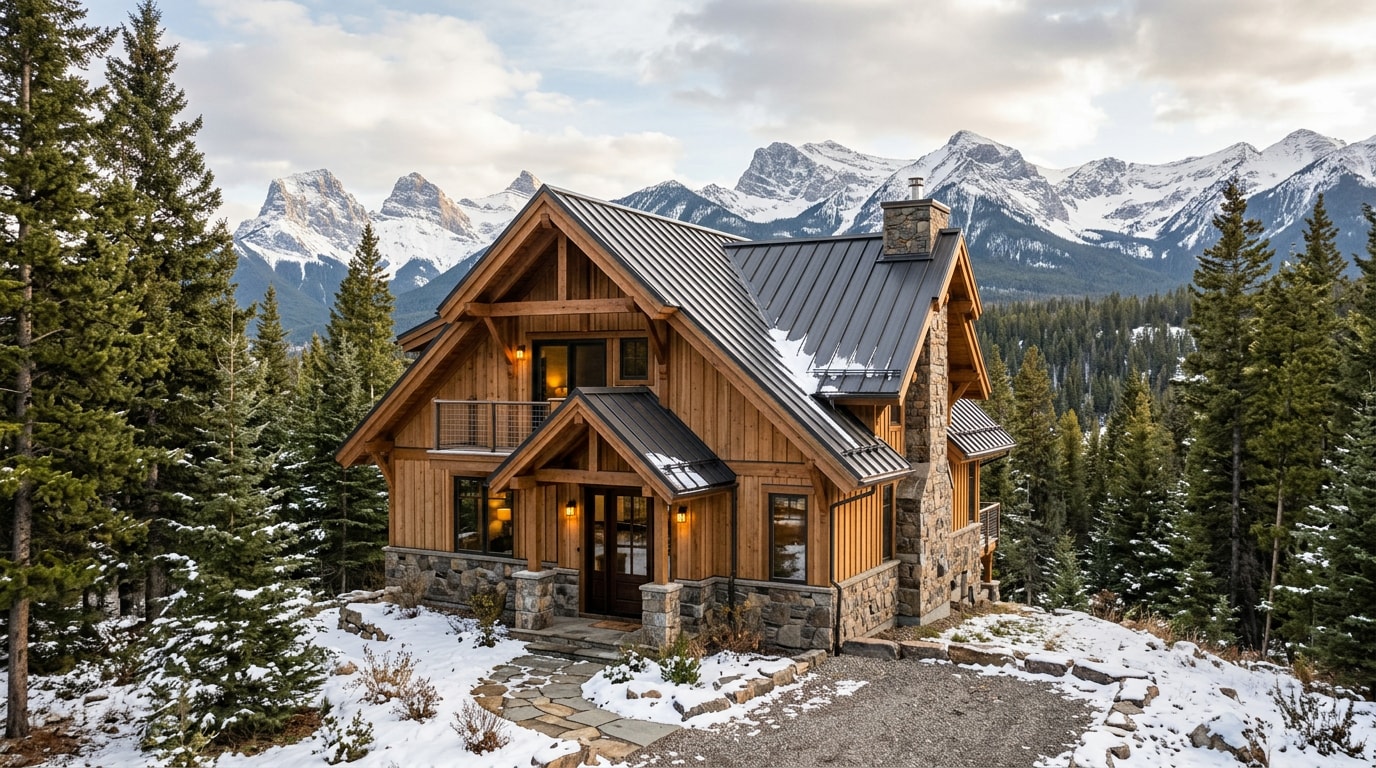
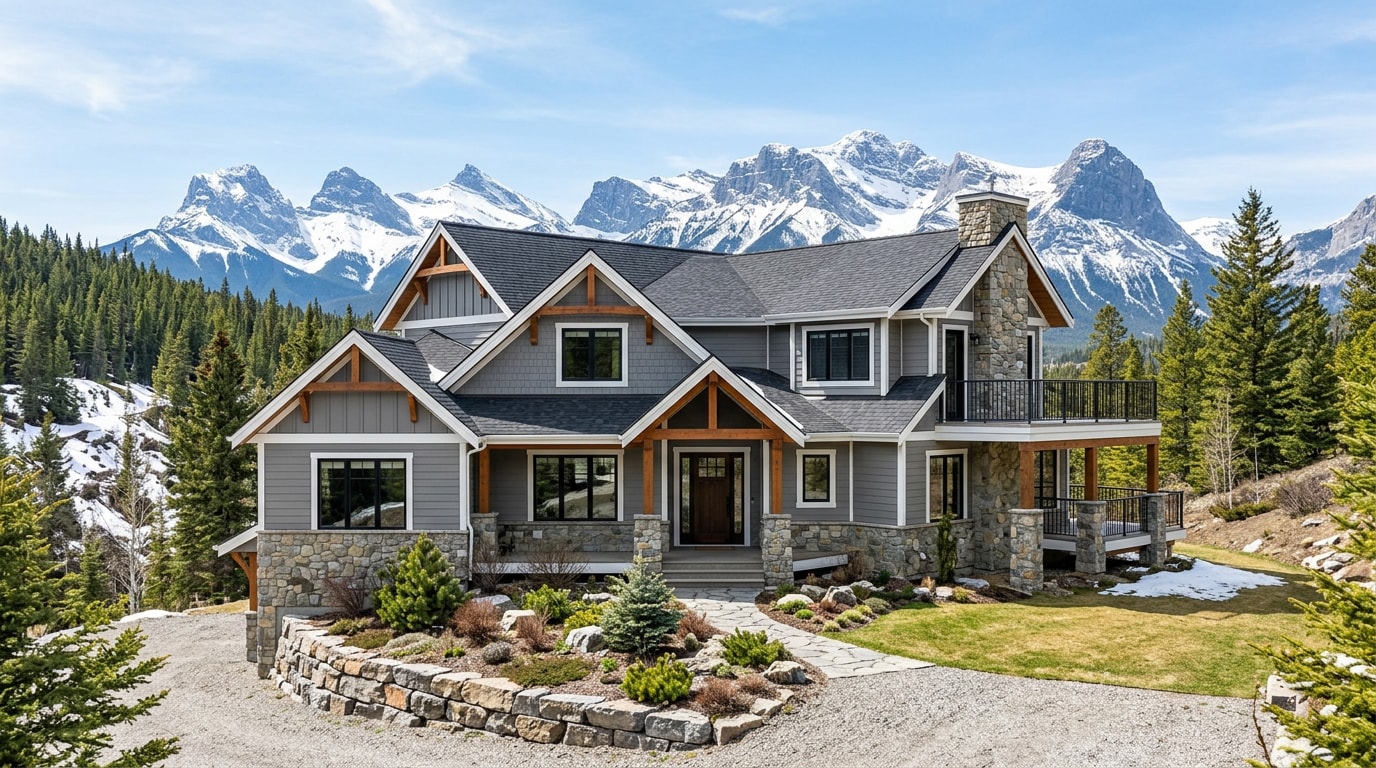
Finding cladding contractors in Pagosa Springs, CO who actually understand 7,000-foot elevation weather is harder than it should be, since most siding crews in southwest Colorado are generalists who treat every job like a Front Range remodel. We install cladding year-round in Archuleta County, and the homes that hold up longest are the ones built for freeze-thaw cycling and heavy snow load from day one. Here's what that actually means for your material choice, your budget, and your permit.
Why Mountain-Climate Cladding Needs a Local Specialist
Cladding is a home's first line of defense against moisture, wind-driven precipitation, and structural wear. In Pagosa Springs, that job is tougher than average.
Southern Colorado's 1991-2020 climate normals confirm what every local builder already knows: this region runs colder and drier than the national baseline, with the kind of wide daily temperature swings that stress exterior materials. Across southern Colorado, the updated 1991-2020 normals mainly follow the warmer and drier trend across western portions of the country. Updated normals exist for exactly this reason. Power companies, farmers, builders and community planners are just some of the industries that rely on updated climate normals to develop and sustain their business plans.
On a recent re-side in the Pagosa Lakes area, we pulled old vinyl panels that had warped in a wave pattern from repeated nighttime contraction. That kind of damage shows up faster at altitude than it would at 5,000 feet, which is why material selection and installation detail matter more here than in most Colorado markets.
That's why cladding projects in this area need weather-resistant materials and proper moisture protection built in from the start, not added later. Browse our service area coverage to see how we approach projects differently across Pagosa Springs, South Fork, and Bayfield.
Cladding Materials We Install
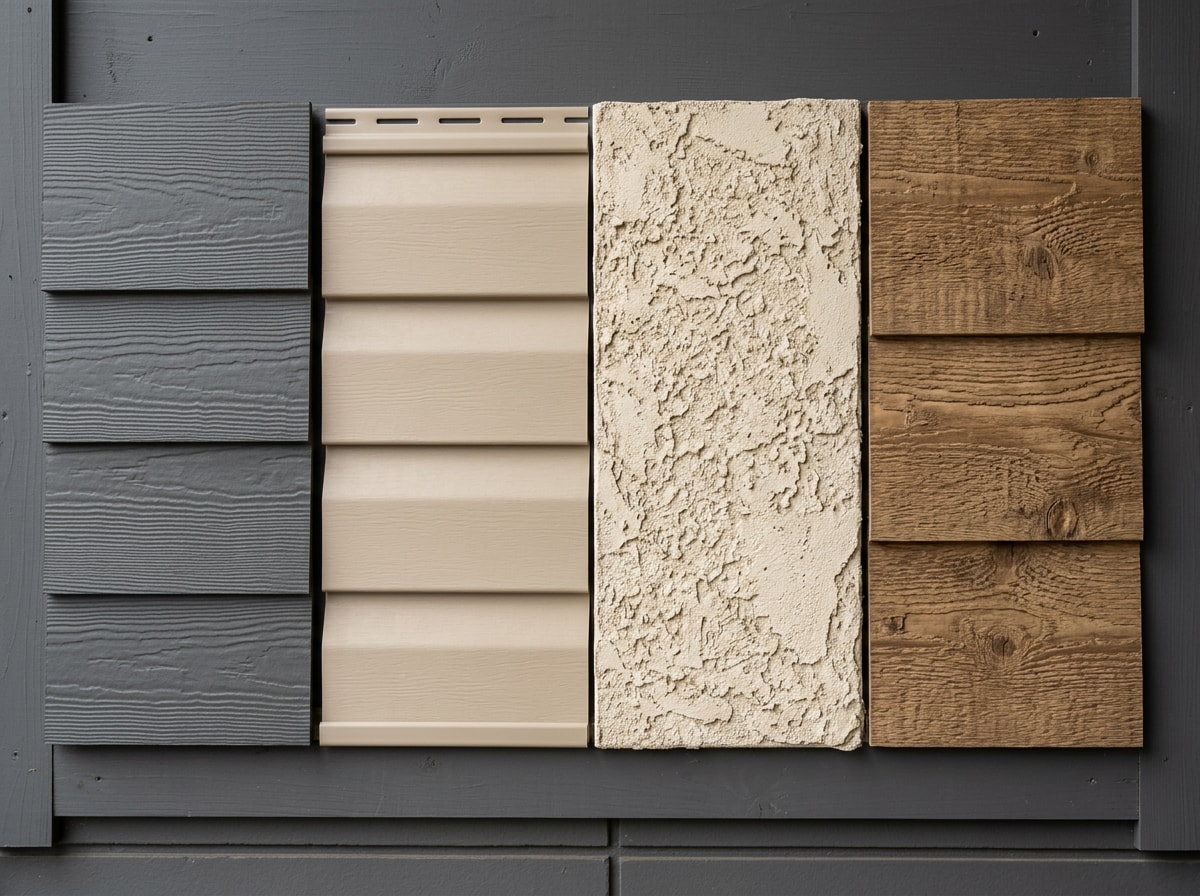
Material choice matters more at elevation than almost anywhere else in Colorado. Here's how the four systems we install most often compare.
| Material | Typical Cost (Installed) | Lifespan | Best For |
|---|---|---|---|
| Vinyl | $4–$7/sq ft | 20–30 years | Budget-conscious projects, low-maintenance exteriors |
| LP SmartSide (engineered wood) | $6–$10/sq ft | 25–30 years | Wood look without wood upkeep |
| James Hardie fiber cement | $8–$12/sq ft | 30–50 years | Hail resistance, fire resistance, high-UV durability |
| Stucco | $9–$14/sq ft | 50+ years | Southwestern aesthetic, thermal mass in dry climates |
James Hardie Fiber Cement Cladding
James Hardie fiber cement is prized for durability, fire resistance, and strong impact ratings against hail and wind-blown debris. It resists moisture far better than wood and holds paint longer under high-UV mountain sun.
Warranty terms matter here. All Hardie siding, trim boards, and soffit products are backed by a transferable 30-year, non-prorated substrate limited warranty.
Its ColorPlus Technology finishes come with a 15-year limited warranty that covers paint and labor, protecting against peeling, cracking, and chipping. Confirm exact terms for your product line on the James Hardie warranty page before you sign a contract.
Vinyl Cladding
Vinyl remains the most affordable cladding option and needs very little upkeep. In a hail-prone mountain climate, though, it can dent or crack more easily than fiber cement or stucco. Weigh that against its low-maintenance appeal before choosing it for a south- or west-facing wall that catches the brunt of summer storms.
Stucco Cladding
Stucco installation layers a base coat, reinforcing mesh, and a textured top coat. Done correctly, it creates a durable, insulated exterior finish that handles temperature swings well and gives a home a classic Southwestern Colorado look.
LP SmartSide Engineered Wood Cladding
Engineered wood resists warping, rot, and hail impact better than solid wood while keeping a similar natural appearance. It's a solid middle ground for owners who want wood's look without wood's maintenance schedule.
What Does Cladding Installation Cost in Pagosa Springs?
Pricing above reflects typical material-and-labor ranges reported across the siding industry nationally. Local quotes in Archuleta County often run toward the higher end of each range because of freight costs for materials shipped to elevation and a shorter dry-weather install window. Labor generally makes up 40-50% of the total project cost regardless of material.
Most single-family homes take one to two weeks for a full cladding replacement. Larger homes, hard-to-source materials, bad weather, or hidden sheathing damage can extend that timeline. Request a free estimate and we'll give you a number specific to your home's square footage and exposure, not a generic range.
Local Permit Rules You Need to Know Before You Re-Side
This is the part most cladding guides skip, and it's the part that actually changes your timeline. Archuleta County ties siding permits to how much surface area you're replacing. If the replacement is 25% or more of the surface area of the roof or siding there is a permit required, see 2025 Colorado Wildfire Resiliency Code Chapter 1, Section101.6 & 101.7.
That threshold matters for budgeting. A single damaged wall section might not trigger a permit, but a full re-side almost always will. Because Archuleta County also sits largely within a wildland-urban interface zone, replacement materials on new construction and major remodels typically need to meet non-combustible standards near grade. Confirm your specific project's status directly with the Archuleta County Building Department before scheduling material delivery.
Why You Should Hire a Certified Cladding Installer
A certified cladding installer has completed manufacturer-specific training on fastening, flashing, and spacing. That matters because most product warranties are only valid when installation follows the manufacturer's exact specifications.
It also matters for keeping water out in the first place. Cladding isn't a standalone barrier; it's one layer in a drainage system that includes flashing, an air gap, and a water-resistive barrier behind it. Moisture Control Guidance for Building Design, Construction and Maintenance provides building professionals with practical guidance to control moisture in buildings during design, construction and maintenance. That's the EPA's own framing of why cladding installation quality, not just cladding material, determines how long an exterior finish actually lasts in a wet-freeze climate like ours. Hiring a manufacturer-certified, licensed cladding contractor protects both your investment and your warranty eligibility.
Our Cladding Replacement Process
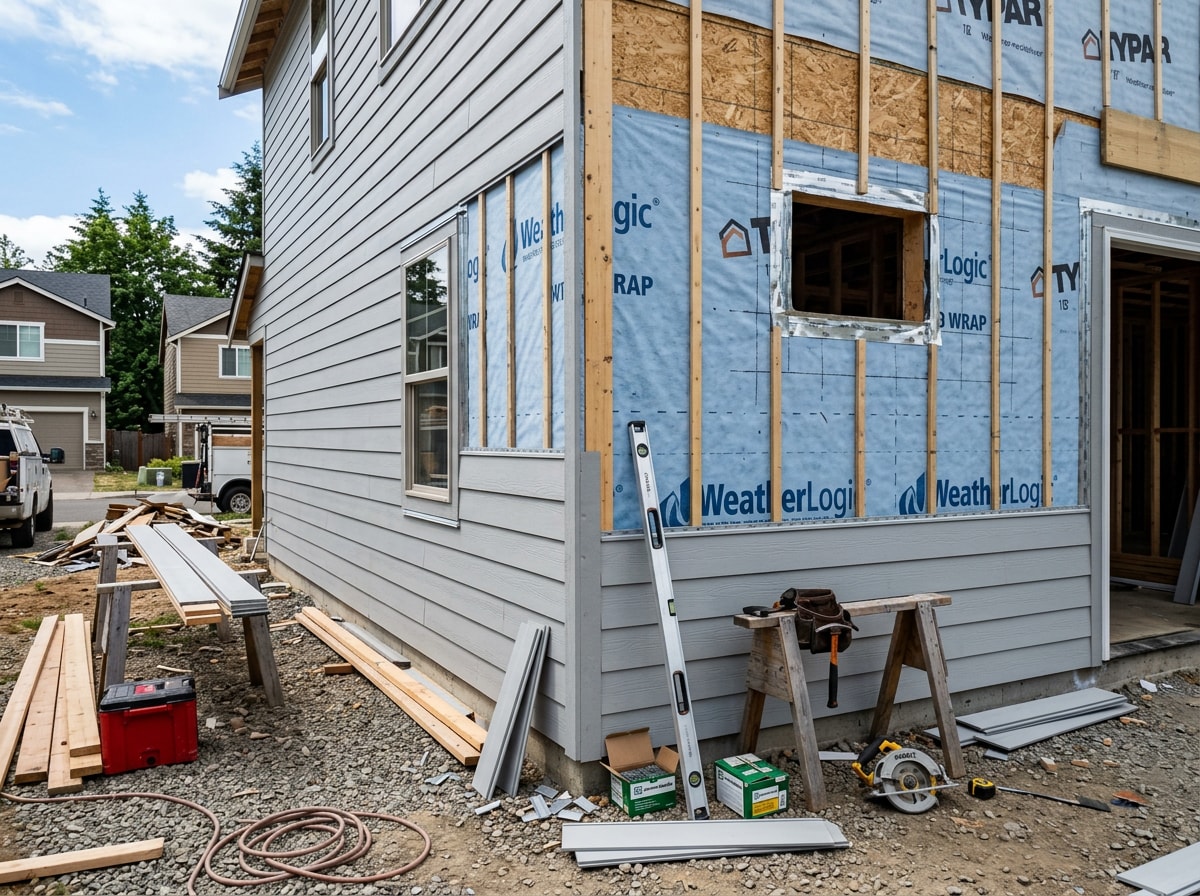
Our process starts with an on-site walkthrough to assess existing damage and discuss materials suited to your home's exposure. From there, we:
- Remove the old siding and inspect the sheathing underneath for hidden moisture damage
- Repair or replace any compromised sheathing before moving forward
- Install the new material with proper flashing, spacing, and sealing
- Finish with trim and caulking details that match your home's existing profiles
- Schedule every exterior phase around mountain weather windows to avoid exposure delays
Ready to start? Get a free estimate and we'll walk your property together before you commit to a material or a date.
Trim Replacement and Miscellaneous Repairs
Trim does more than finish a home's appearance. It seals the edges and transitions where cladding meets windows, doors, and rooflines, and damaged or mismatched trim is a common source of moisture intrusion. We match materials and profiles closely during any trim replacement so the repair blends in rather than standing out.
Not every exterior issue needs a full replacement, either. Storm damage, isolated cracking, or a single damaged panel can often be repaired without re-cladding the whole house. A full inspection should always come before deciding between a repair and a replacement, since hidden damage isn't always visible from the ground, especially behind trim or at roof-to-wall transitions.
Other Exterior and Construction Services
Most homeowners prefer handling exterior work with one crew rather than juggling several. Alongside cladding, we handle broader general contractor work across the region, from site preparation to full custom home construction. If your project also involves an enclosed outdoor space, our guide on enclosed porches in Pagosa Springs covers how cladding and framing decisions overlap on that type of build.
Check out our completed projects or visit the Whispering Pines homepage for the full range of work we do across Archuleta County and the surrounding mountain communities.
Frequently Asked Questions
How much does cladding installation cost?
Cladding installation typically runs $4 to $7 per square foot for vinyl, $8 to $12 for fiber cement, $9 to $14 for stucco, and $6 to $10 for engineered wood, including labor and materials. Labor usually makes up 40-50% of the total, though exact pricing varies by home size and site access.
How long does cladding installation take?
Most single-family homes take one to two weeks for a full cladding replacement. Larger homes, harder-to-source materials, bad weather, or unexpected sheathing damage can extend that timeline.
Do I need a permit to replace siding in Pagosa Springs, CO?
It depends on how much surface area you're replacing. Archuleta County requires a permit once the replacement covers 25% or more of the roof or siding surface area, under the 2025 Colorado Wildfire Resiliency Code. Smaller repairs may not need one, but confirm with the county building department before you start.
What is the difference between cladding and siding?
Siding is one type of cladding. The term cladding covers any exterior material layer, including siding, stucco, brick, or stone. In most residential U.S. contexts people use the two terms interchangeably, though some cladding systems use ventilated gaps while traditional siding is applied directly to sheathing.
What's the best cladding material for a high-elevation mountain home?
Fiber cement is usually the strongest all-around choice for Pagosa Springs because it resists hail, holds paint under intense UV exposure, and carries a long non-prorated warranty. Stucco is a close second for homes that want a Southwestern look and can tolerate its higher material cost.
What questions should I ask a cladding contractor before hiring?
Ask to see current licensing and insurance documents, confirm which materials the crew specializes in, and get both product and workmanship warranty terms in writing. It's also worth asking who will actually be on-site supervising the job, since that varies between companies.