
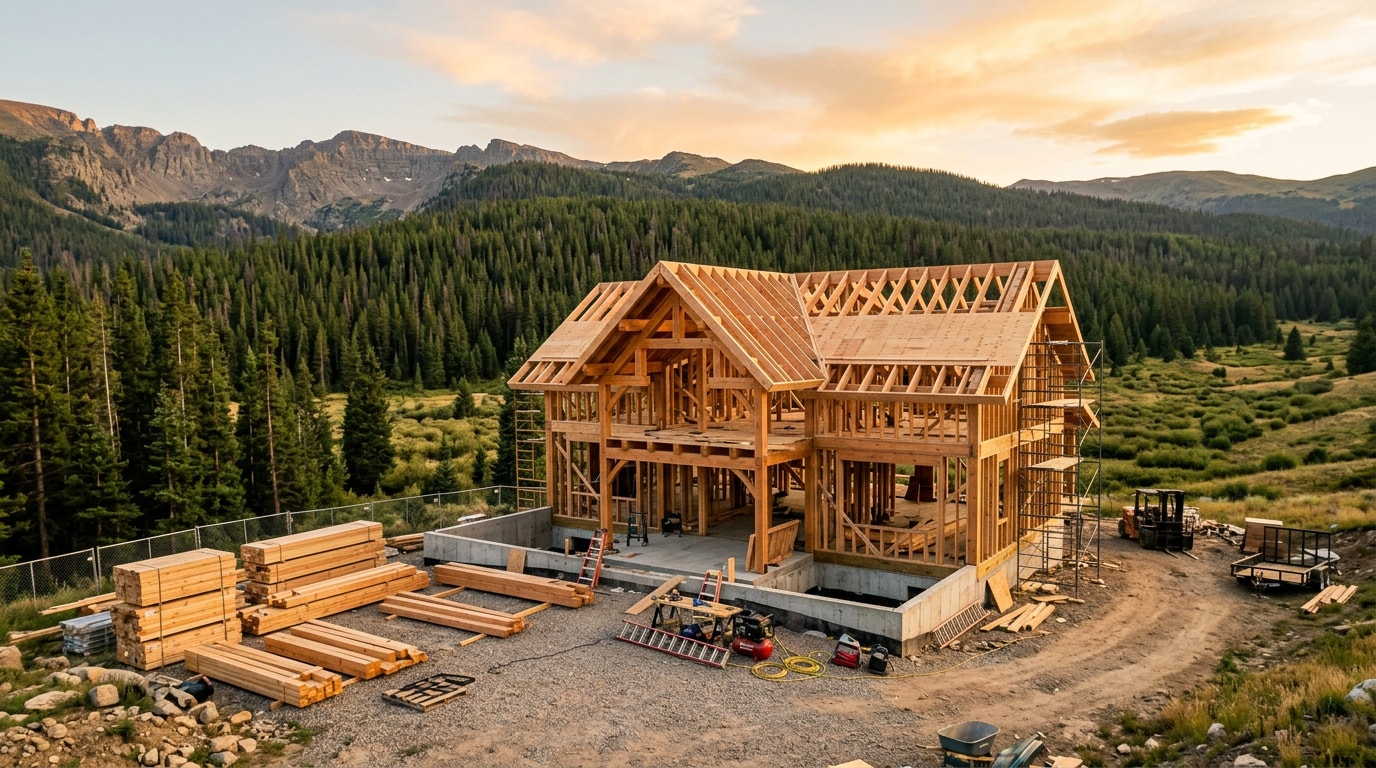
An EPC contractor is a company that takes full responsibility for a project from the first design sketch to the day it's finished, instead of handing that work to three or four separate firms. The term comes up often once a South Fork, CO build gets complicated enough to need one accountable party for design, materials, and labor. Here's what the model actually covers, how it differs from hiring a general contractor, and when it fits a mountain-valley project.
What Does EPC Stand For?
EPC stands for engineering, procurement, and construction. An EPC contractor is a company that takes full responsibility for delivering complex construction projects from start to finish. The three letters describe the three jobs one contractor absorbs into a single contract.
That's a turnkey arrangement. EPC contractors provide a comprehensive turnkey solution and handle the entire project lifecycle from engineering and design through procurement, construction, commissioning, and final handover, ensuring clients receive a fully functional build that's ready for operation. The owner sets the goals; the contractor delivers the finished result.
This model is most common on the largest builds. In the world of large-scale infrastructure, energy, and industrial projects, efficient project delivery is crucial, and an EPC contractor is responsible for managing a project from its conceptual stage through to completion. One team, one contract, one party to call when something needs to change.
Roles and Responsibilities of an EPC Contractor
The role of the EPC contractor is to provide an integrated and comprehensive approach to project delivery, managing all aspects of engineering, procurement, and construction to successfully deliver a functioning project to the client. Each phase feeds the next.
Engineering
Once the project's scope of work is defined, the EPC contractor assumes the responsibility of crafting comprehensive engineering plans, specifications, and designs, typically employing a team of skilled engineers and designers with expertise in civil, mechanical, electrical, and other specialties. Catching a design flaw on paper is far cheaper than catching it mid-build.
Procurement
Procurement involves acquiring all the materials and equipment necessary for the project, and EPC contractors handle sourcing, purchasing, and logistics, ensuring everything arrives on time and within budget, because effective procurement is critical for the smooth progress of the project. Controlling that step directly often means better pricing and fewer schedule gaps than an owner coordinating vendors solo.
Construction
In the construction phase, all the plans from the engineering phase are executed on-site, and the EPC contractor is responsible for assembling and constructing the project according to the plan, managing labor, scheduling, and ensuring safety and quality standards are met. OSHA's construction compliance resources outline the federal safety framework most contractors reference for job-site rules, and these resources provide links to OSHA construction standards, agency policies for enforcing the standards, and other information to assist the construction industry.
Risk Management
Risk runs under all three phases instead of sitting in its own box. In an EPC contract, the contractor takes on substantial project risk, given the 'fixed-price' nature of these contracts, which is one crucial difference from how risk is handled elsewhere.
The EPC contractor is held accountable for capital project schedules, costs, and overall results, moving the risk from the project owner to the contractor.
Internationally, this is formalized. The International Federation of Consulting Engineers publishes a standard EPC contract form known as the Silver Book, and it's a lump-sum EPC turnkey contract typically used on complex engineering facilities, such as process or power plants, where a high degree of certainty as to cost, time, and performance is required. You can review the FIDIC EPC/Turnkey contract form if you want to see what a formal EPC agreement actually spells out. Most articles on this topic skip that international standard entirely, but it's the document that shaped the fixed-price, single-responsibility structure every EPC contract still borrows from today.
EPC Contractor vs. General Contractor
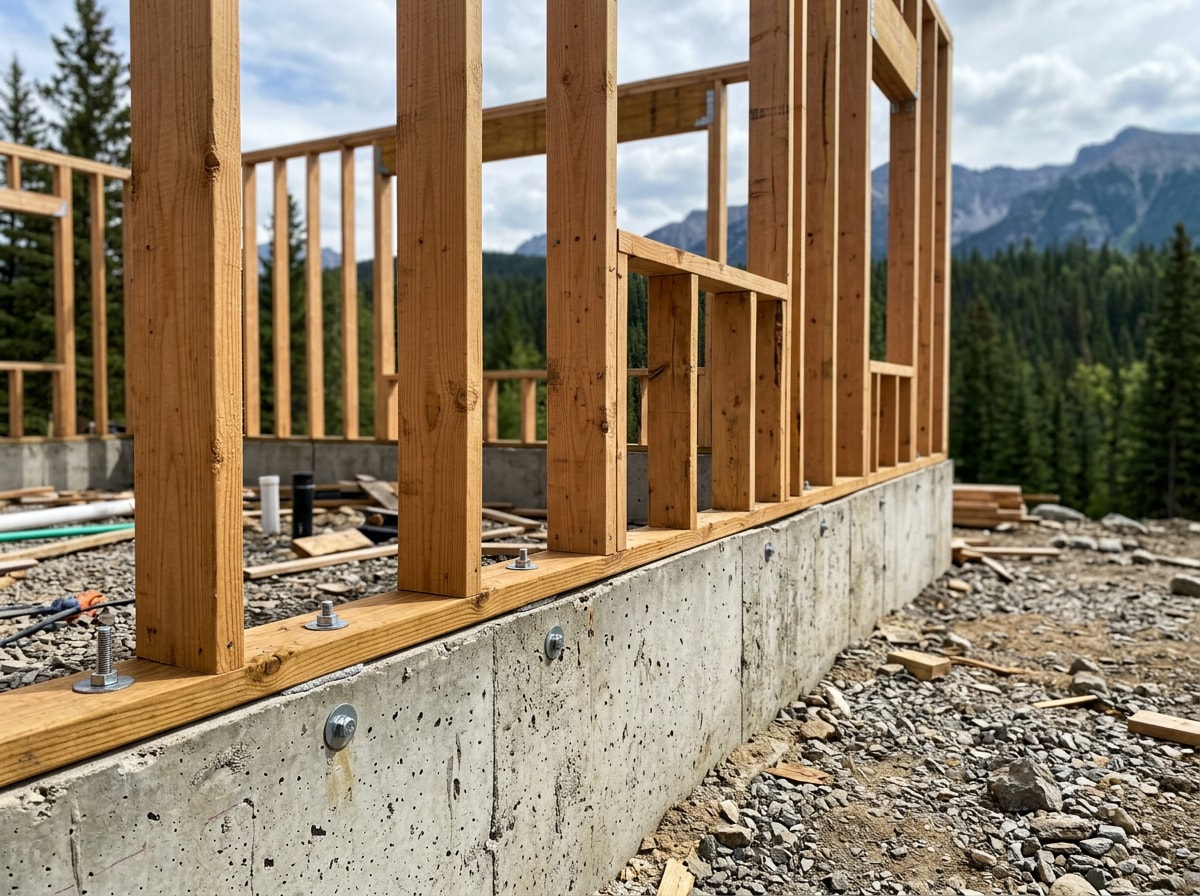
The difference between an EPC contractor and a general contractor is that EPC contractors manage the entire construction project from start to finish, while a general contractor manages only the construction phase, with the EPC contractor responsible for the entire project and a general contractor responsible mainly for the construction site and coordinating subcontractors.
General contractors typically focus on construction execution and coordination, with less involvement in design and procurement. That's the traditional design-bid-build setup: an architect or engineer finishes the design first, then the GC is hired to build it.
| Factor | EPC Contractor | General Contractor |
|---|---|---|
| Scope | Design through construction | Construction only (typically) |
| Risk ownership | Contractor absorbs most project risk | Owner retains more risk |
| Cost structure | Usually fixed-price | Often cost-plus or bid-based |
| Design responsibility | In-house or managed by the EPC | Provided by owner/architect |
| Typical project size | Large, complex builds | Small to mid-size projects |
General contractors generally work on smaller-scale projects such as commercial construction sites, office buildings, or residential projects, while EPC contractors work on complex, large-scale projects that require multiple teams to coordinate. That size gap matters for anyone comparing quotes in a small market like South Fork.
Why This Matters for Builds in South Fork, CO
True heavy-industrial EPC contracts (power plants, refineries, utility infrastructure) rarely show up in a town the size of South Fork. But the underlying idea, one contractor accountable for the whole project instead of three vendors pointing fingers at each other, shows up constantly in mountain and rural construction.
Here's why: a remote custom home or steel building in the San Juan Mountains often needs site preparation, septic or drain field work, grading, framing, and finish work coordinated across a single access road and a short building season. Splitting that scope across separate design, excavation, and construction contracts invites delays nobody in a small market has time for.
We've run projects in South Fork where bundling site work, foundation, and construction under one scope cut weeks off the schedule compared to owners who tried to stage separate excavation and building contracts themselves. That's the same logic behind an EPC contract, just applied to a barndominium or custom home instead of a power plant.
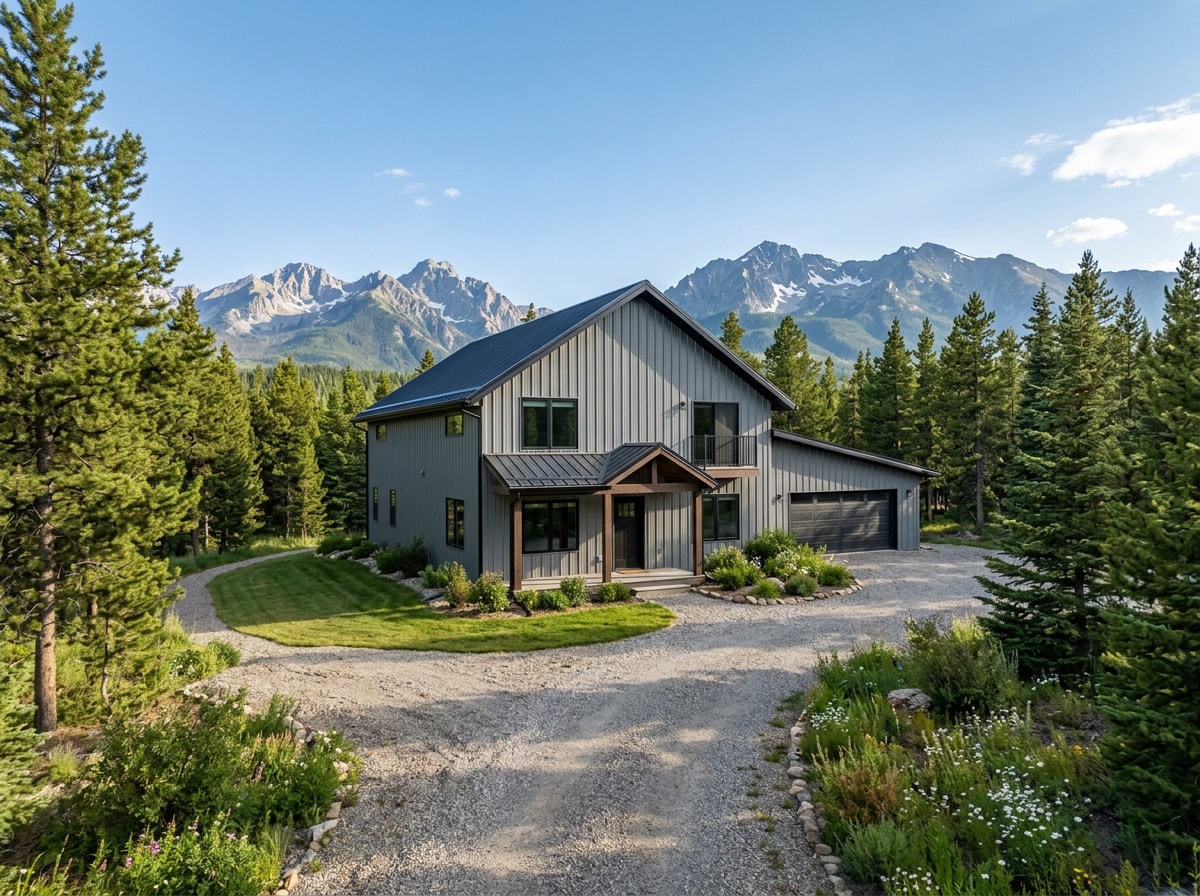
If that single-point-of-responsibility model sounds like what your project needs, our General Contractor services cover design-through-completion work across the San Luis Valley, including site preparation and grading and excavation. For projects that lean toward a steel structure or barndominium, the same bundled approach applies through our Steel Building Contractor services.
Benefits of a Single-Contractor Delivery Model
EPC contractors take on the entire project lifecycle, from design to construction, which simplifies the process for the client since you only need to deal with one entity that handles all the coordination and communication between engineers, suppliers, and construction crews.
- One point of contact.
The defining feature is single point of responsibility, meaning one party is accountable for design, sourcing, and construction simultaneously.
- Cost certainty. Fixed pricing means the contractor, not the owner, absorbs the risk if something runs over.
- Fewer coordination gaps.
EPC contractors have experience in streamlining the entire project workflow, so they can optimize the schedule and avoid delays caused by communication gaps between different contractors.
- Faster delivery on tight sites.
The EPC method often allows for faster project delivery, as all project phases are completed by a single EPC company under a single contract, which is why many project owners choose this approach for schedule-driven work.
What to Look for When Hiring a Design-Build Contractor in South Fork, CO
Look for direct, verifiable experience in your project type and your specific terrain, proven project controls, and the right insurance and local permitting knowledge. A few questions separate a solid contractor from a risky one:
- Do they carry adequate liability and workers' compensation insurance?
- Can they speak to permitting in Rio Grande County and the Town of South Fork specifically, not just Colorado in general?
- Will they commit to regular progress updates, not just milestone check-ins?
- Can they show references from a comparable mountain-terrain or remote-site project?
On licensing: Colorado doesn't run one statewide general contractor license the way some states do. While DORA regulates most professions within Colorado, other state and local agencies have certain regulatory authority and licensing and registration requirements. Electricians, plumbers, and similar trades are verified through the DORA licensing portal, but general contractor credentials and building permits for a South Fork project run through local jurisdiction instead. Obtaining a building permit for construction within Rio Grande County is a fairly straightforward procedure, but you'll need to verify whether your project falls inside the Town of South Fork's limits or the county's unincorporated jurisdiction before applying, since each handles permitting separately. Ask for the specific local permit number, not just a state ID.
Our South Fork, CO service area page covers exactly where our crews pull permits and work directly. If you're comparing this delivery model against a smaller build, our New Custom Built Homes in South Fork, CO: 2026 Buyer's Guide breaks down what a typical custom home contract looks like start to finish.
Ready to see how a bundled, single-contract approach would work for your lot? Get a free estimate and we'll walk through scope, site conditions, and timeline before anything is signed.
FAQ
What does EPC stand for?
EPC stands for engineering, procurement, and construction. It describes a contractor that handles all three phases of a project under one contract instead of splitting them across separate firms.
What is the difference between an EPC contractor and a general contractor?
An EPC contractor handles engineering, procurement, and construction as one integrated service and owns the design. A general contractor typically manages construction execution only, with design handled separately by the owner or an architect.
What is the difference between EPC and EPCM?
EPCM stands for Engineering, Procurement, and Construction Management. Under EPCM, the firm manages the work on the owner's behalf, but the owner holds the contracts directly and keeps more of the project risk. EPC vs. EPCM comes down to who signs the contracts and who absorbs risk if something goes wrong.
What are the disadvantages of an EPC contract?
Owners give up some flexibility once scope is locked in, and mid-project changes can be costly to negotiate. Upfront contract talks also tend to run longer, and fixed pricing usually carries a premium since the contractor is pricing in risk before work starts.
Do small residential projects in South Fork, CO use EPC-style contracts?
Not in the formal, industrial sense. But many local custom home, barndominium, and site-prep projects use the same single-contractor principle: one company handles design coordination, site work, and construction under one scope and one point of contact.
Is EPC the same as design-build?
They're related but not identical. Design-build contractors usually handle design and construction; a full EPC contractor adds procurement and typically works under a fixed-price structure with more risk shifted to the contractor.
Written by the project management team at Whispering Pines Co., a general contractor serving South Fork, Pagosa Springs, and Bayfield, CO, on custom homes, site work, and steel buildings. Questions about your project? Contact us or visit the homepage for more on our services.