Finding qualified commercial renovation contractors in South Fork, CO means balancing mountain-town logistics with a business that can't afford a drawn-out closure. Highway 160 storefronts, lodges, and restaurants deal with harsh winters, a short build season, and decades-old infrastructure that wears out faster than it would in a climate-controlled city building. This guide breaks down how to vet a contractor, what the renovation process actually looks like, and the local permitting details most owners don't find out until mid-project.
How to Choose a Commercial Renovation Contractor in South Fork
Choosing a commercial contractor comes down to a short list of verifiable facts, not gut feeling. Start with licensing and insurance. A qualified contractor should produce current documentation without hesitation, no excuses about paperwork being "in the mail."
Beyond paperwork, look at who they bring to the job. Commercial work almost always involves more than one trade, so established relationships with electricians, plumbers, and HVAC technicians matter as much as the general contractor's own crew. On the lodge and storefront remodels we've managed along Highway 160, the projects that stayed on schedule were the ones where the contractor already had trade partners lined up before demolition started, not scrambling to find one mid-project.
Ask about permitting experience in your specific jurisdiction, and request examples of past commercial, not residential, projects. The two differ significantly in code requirements and scale. Vetting a contractor also means confirming their service area actually covers South Fork and the surrounding region. Our South Fork service area page lists where our crews currently work, and our general contractor services page outlines the scope of commercial work we take on.
Questions to Ask During Your Consultation
Bring the same short list of questions to every consultation so you're comparing contractors on equal footing:
- Have you completed projects similar in size and type to mine?
- How do you handle work in an occupied building?
- What's your process for change orders if scope shifts mid-project?
- How often will I get project updates, and from whom?
- Can you provide references from recent commercial clients?
This checklist won't guarantee a perfect match, but it filters out contractors who can't speak confidently about commercial-specific challenges. Ready to compare bids? Get a free estimate and ask these same questions on the call.
Signs Your Commercial Building Needs a Renovation
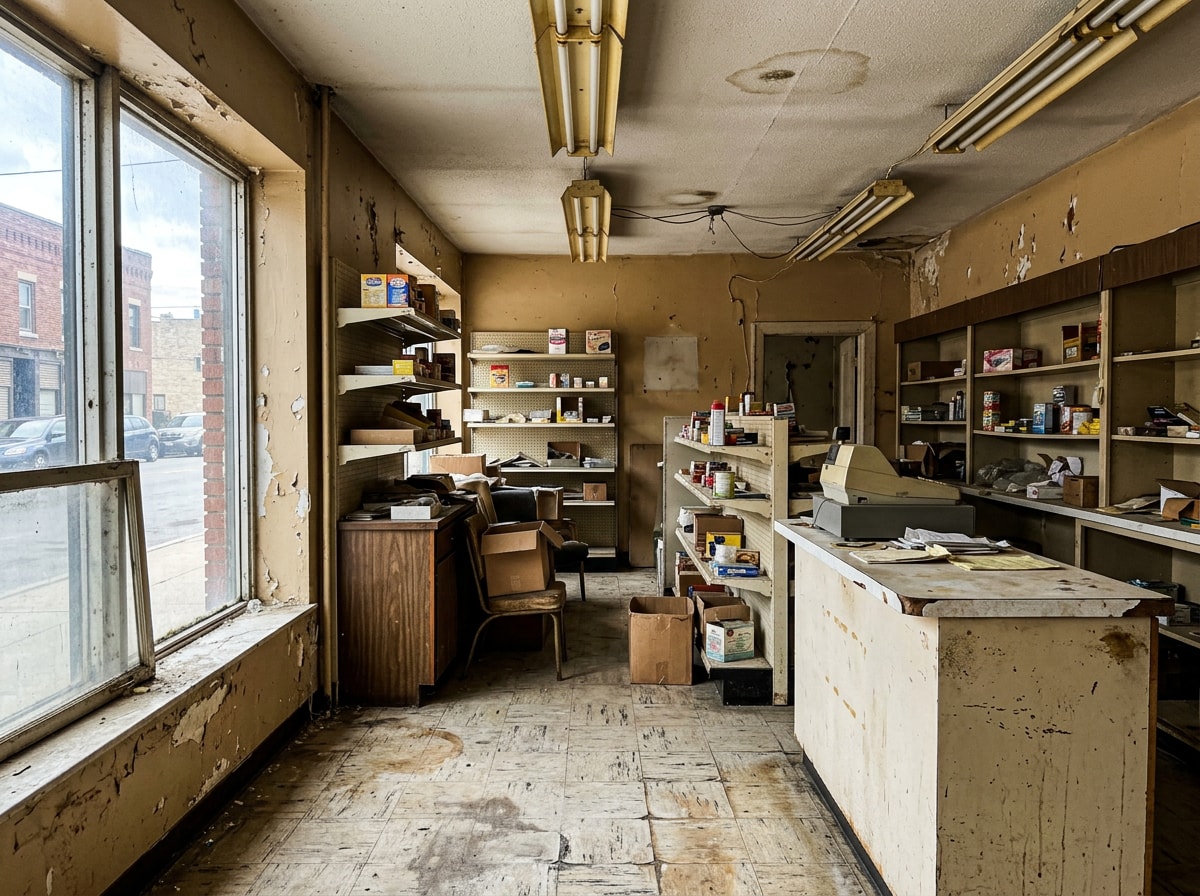
An outdated commercial space usually shows itself through predictable, visible problems: worn flooring, dated finishes, fixtures that break down constantly, cramped layouts, and seating or storage that no longer fits how customers actually use the building.
In a town like South Fork, where many storefronts and lodging properties were built decades ago for a different kind of tourist traffic, these signs show up faster than they would in a climate-controlled city building. Harsh winters and heavy seasonal foot traffic accelerate wear on everything from entryways to HVAC systems.
Knowing when to renovate isn't only about appearance. Chronic maintenance calls, guest complaints about the space, or a layout that slows down staff all signal that an upgrade has moved from "nice to have" to a real operational issue.
If several of these signs sound familiar, review our projects page to see the scope of commercial work we've completed in the region.
What to Expect During a Commercial Renovation
Every commercial remodel follows a similar arc, even though scope and timeline vary by project. Understanding the phases ahead of time helps you plan staffing, budget, and customer communication long before the first wall comes down.
| Phase | What Happens |
|---|---|
| Pre-construction & planning | Scope definition, design, budgeting, contractor selection |
| Permitting | Plan review and approval by the local building authority |
| Demolition | Removal of existing finishes, fixtures, or structures |
| Build-out | Framing, mechanical/electrical/plumbing, finishes installed |
| Closeout | Final walkthrough, punch list, documentation, occupancy |
Project Kickoff and Site Prep
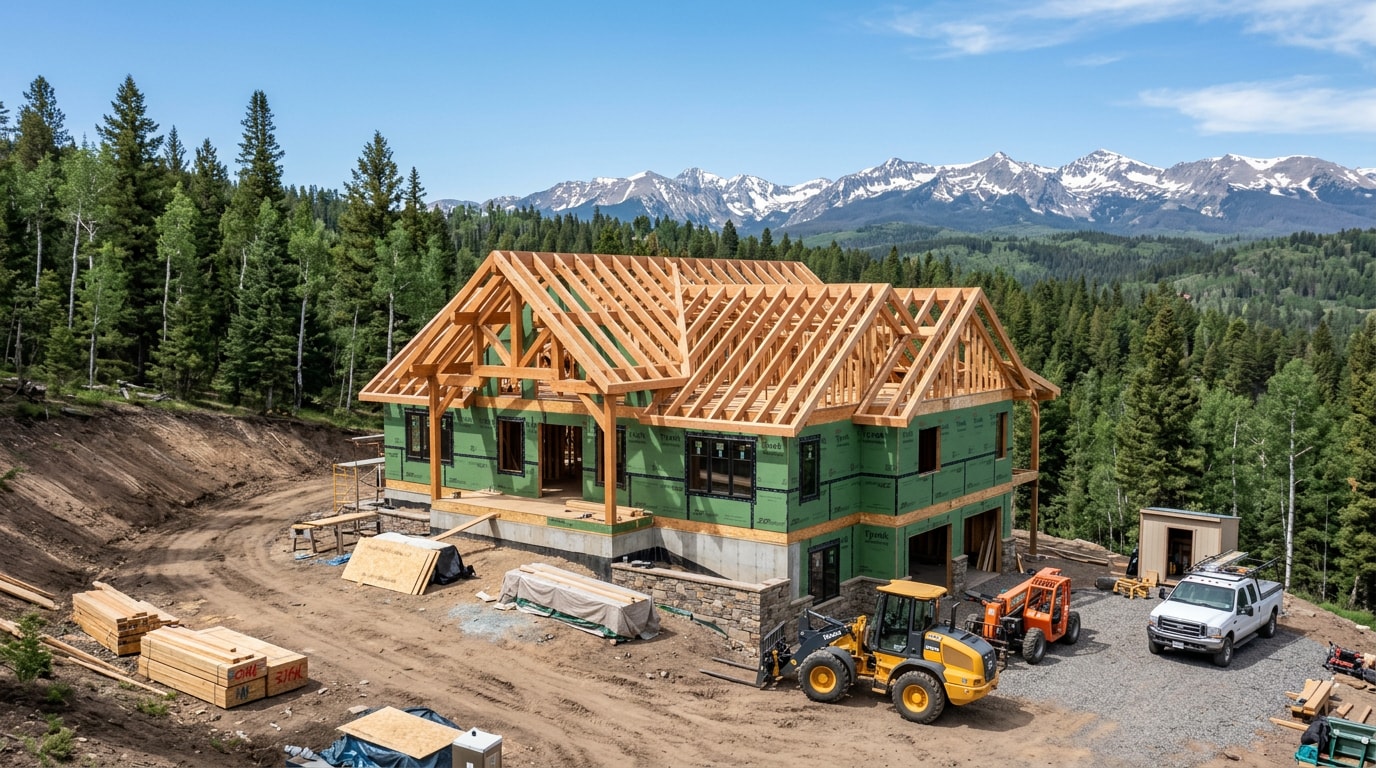
Before a crew shows up, there's property-prep logistics to sort out. This includes confirming site access, setting aside parking for contractor vehicles and equipment, and clearing landscaping or exterior obstructions that could slow work down. If your project involves regrading a parking area or utility trenching, our site preparation guide for South Fork covers what that scope typically costs.
Construction prep also means agreeing on a single point of contact for both sides. A short kickoff meeting, even ten minutes, sets expectations for noise, hours, and daily check-ins. Skipping this step is one of the most common reasons small commercial projects start off disorganized.
Project Closeout
Closeout wraps up the construction phase and gets the space ready to reopen. It centers on a few predictable steps: a final walkthrough with the contractor, a punch list of items that still need correction, and documentation like warranties, permits, and inspection sign-offs.
Only after the punch list is resolved should you consider the project officially complete. Rushing this stage is a common mistake. A thorough walkthrough now prevents disputes and surprise repair costs later.
Timing, Schedule, and Local Permitting
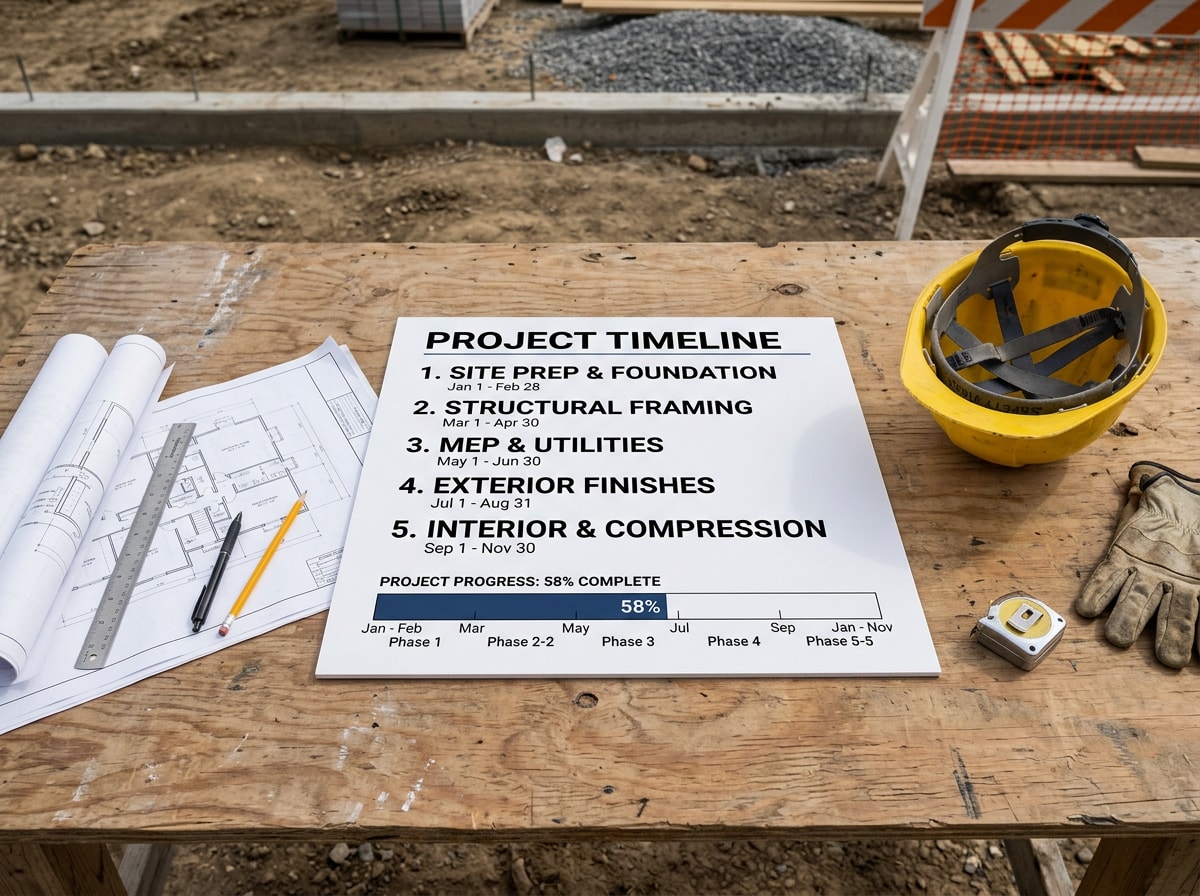
A cosmetic refresh, new flooring, paint, and fixtures, can often wrap up in a few weeks. A full build-out involving structural changes, new mechanical systems, or an addition can take several months from permit approval to final inspection.
Scope drives the timeline, but permitting is the variable owners underestimate most. Review times and required documentation vary by jurisdiction. South Fork falls under Rio Grande County, and the county's building department requires plan review before any commercial permit is issued. The county's building department has adopted the 2018 International Building Code, International Residential Code, and International Existing Building Code as its governing standards for construction work, so an existing commercial building being altered falls under that code set rather than new-construction rules alone. It's worth confirming current submittal checklists directly with the Rio Grande County Building Department before finalizing a demolition schedule.
Treat any contractor's timeline estimate as a range, not a guarantee, until permits are actually in hand.
Can Your Business Stay Open During Renovation?
Staying open during renovation is possible for many commercial projects, depending on scope and layout. Contractors commonly use phasing, sectioning off work zones or scheduling noisy, disruptive tasks after hours, to keep part of a building operational while another section is under construction.
Occupied renovation does come with tradeoffs. Dust containment, noise limits, and clear safety barriers between construction zones and public areas aren't optional. OSHA construction standards apply to construction tasks regardless of industry, and renovation work is treated the same as new construction or alteration under those rules , which is why a contractor working near an occupied space should already have a documented safety plan, not one assembled after demolition starts. You can review the underlying federal standard on OSHA's construction safety resource page.
If staying open matters to your business, raise it early. A contractor experienced with occupied-space work will have a phasing plan ready to discuss at the first consultation.
Common Mistakes to Avoid
Inadequate budgeting. Owners frequently underestimate costs by skipping a contingency fund. Many commercial budgets set aside a reserve, often in the 10-20% range, for unexpected issues like hidden structural damage or supply delays.
Treating accessibility as an afterthought. In existing buildings, altering a primary function area can trigger a demand for ADA compliance upgrades under Title III, which sets minimum accessibility standards for commercial properties.
In practice, up to 20 percent of the renovation's construction cost should be allocated toward removing remaining accessibility barriers if the alteration triggers that review. Separately, the ADA requires that businesses remove architectural barriers in existing facilities whenever it's "readily achievable," meaning easily accomplishable without much difficulty or expense , regardless of whether a renovation is planned at all. Checking the ADA's small business accessibility guidance early, before design is finalized, avoids expensive rework later.
Vague scope documents and no written contract. Both lead to disputes once work is underway, when changes cost far more to fix than they would have at the planning stage.
Our general contractor team handles commercial renovation projects across South Fork, Pagosa Springs, and Bayfield, and we walk every new client through these same pitfalls before a contract is signed. If you're ready to talk through your project, get a free estimate and we'll scope it with you.
FAQ
What Are the Red Flags of a Bad Renovation Contractor?
Missing or unverifiable licensing and insurance, reluctance to put the agreement in writing, vague or unreachable references, and pressure to pay the full project cost upfront. A qualified contractor welcomes documentation requests and offers a payment schedule tied to project milestones.
How Much Does a Commercial Renovation Cost Per Square Foot?
Costs vary widely based on scope. A cosmetic refresh, flooring, paint, fixtures, runs on the lower end per square foot, while a full build-out involving structural, mechanical, or electrical work costs significantly more. Request a project quote based on your building's actual condition rather than relying on a general average.
How Long Does a Commercial Renovation Project Take?
A few weeks for a cosmetic refresh, several months for a full build-out with structural or system changes. Permitting timelines, the size of the space, and whether the business stays open during construction all affect the final schedule.
Do I Need a Permit for a Commercial Renovation in South Fork, CO?
In most cases, yes. Rio Grande County's building department reviews plans for additions, structural changes, and most commercial alterations before work begins. Cosmetic-only work like paint and flooring sometimes falls outside permit requirements, but it's worth confirming with the county before you schedule a crew.
What Licenses or Insurance Should a Commercial Contractor in Colorado Carry?
At minimum, a current business license, general liability insurance, and workers' compensation coverage for their crew. Depending on scope, you should also expect to see valid trade licenses for any subcontracted electrical, plumbing, or mechanical work.
About this guide: Prepared by the commercial project team at Whispering Pines, which manages renovation and build-out work across South Fork, Pagosa Springs, and Bayfield. Have a project to scope? Contact our team.