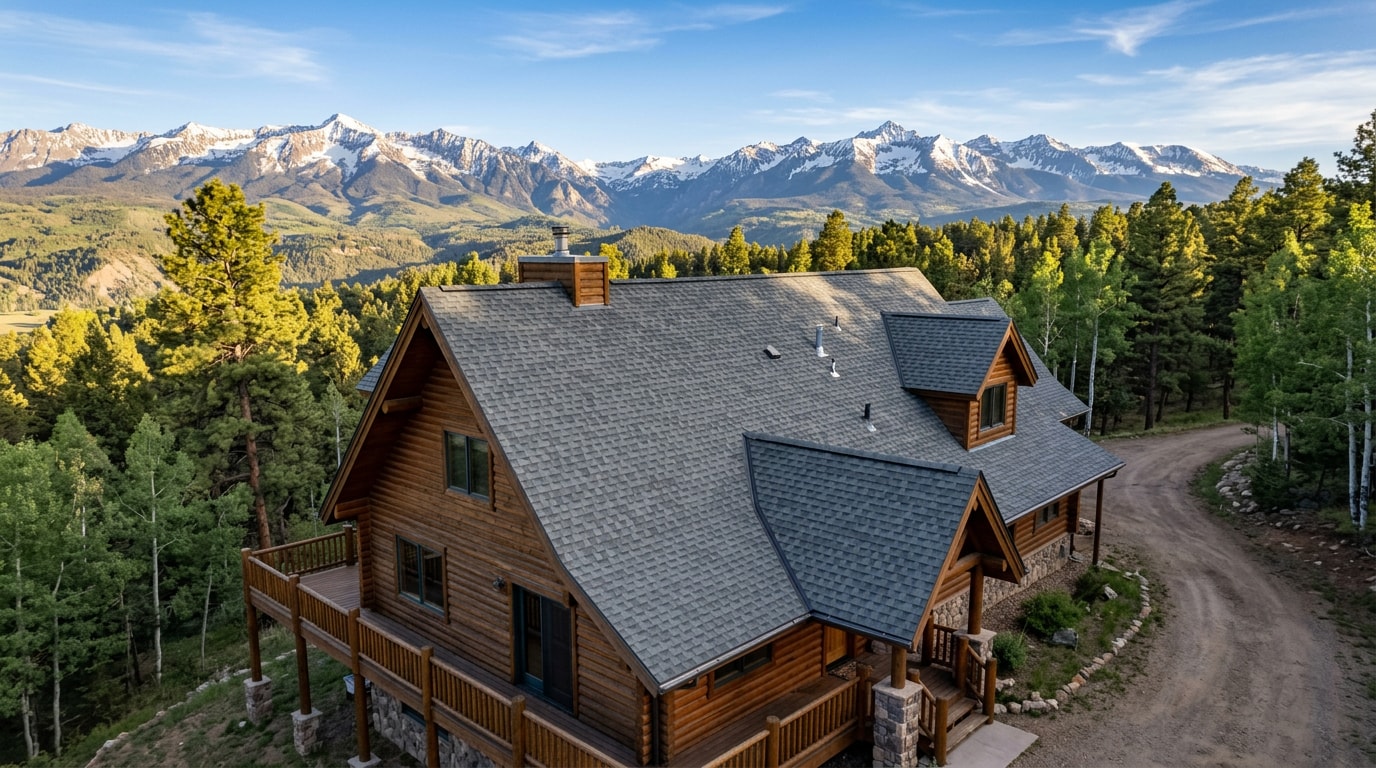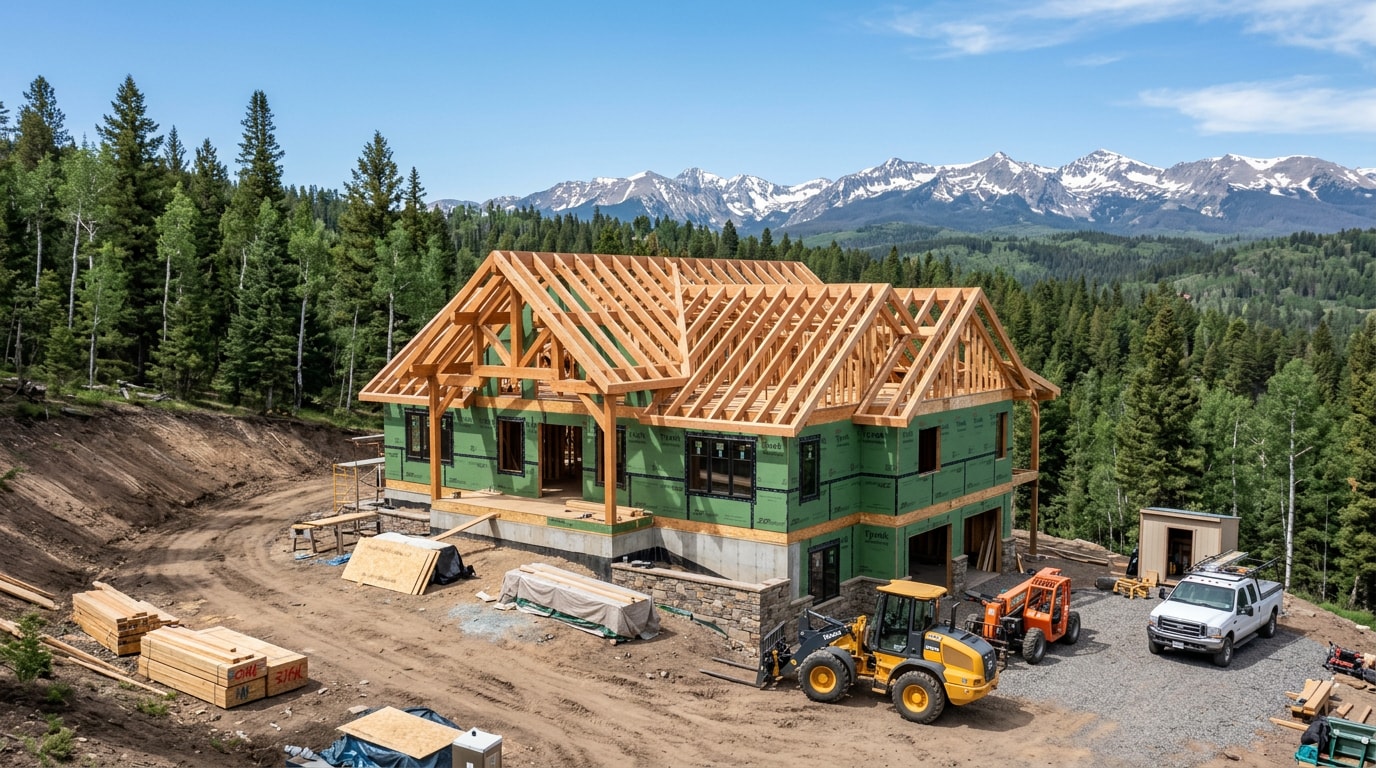

Hiring a site preparation contractor in South Fork, CO means solving problems most national cost guides never mention: rock within a foot of the surface, a building season that can close by October, and drainage plans that have to account for spring snowmelt. Skip this phase or hire the wrong crew, and the bill shows up later as a cracked slab or a drain field that fails its first wet season. Here's what the work actually involves, what it costs in 2026, and how to vet a contractor before you sign anything.
What Site Preparation Includes for a South Fork Build
Site preparation is every step that turns raw land into a buildable pad: clearing, grading, soil testing, and excavation. In South Fork's river-valley setting, each step has to account for high elevation, mixed rock and clay soils, and a shorter window to get earthwork done before snow shuts the site down.
A typical sequence looks like this:
- Clearing - removing trees, brush, and debris from the building footprint.
- Grading - shaping the land to the correct slope and elevation for drainage.
- Soil testing - confirming load-bearing capacity and how the ground handles moisture.
- Excavating and leveling - digging foundations, utility trenches, and septic areas.
A general contractor manages the whole build, but site prep is its own trade. It requires earthmoving equipment and soil knowledge that framing crews simply don't carry, which is why a dedicated site preparation team usually handles this phase before anyone shows up to frame.
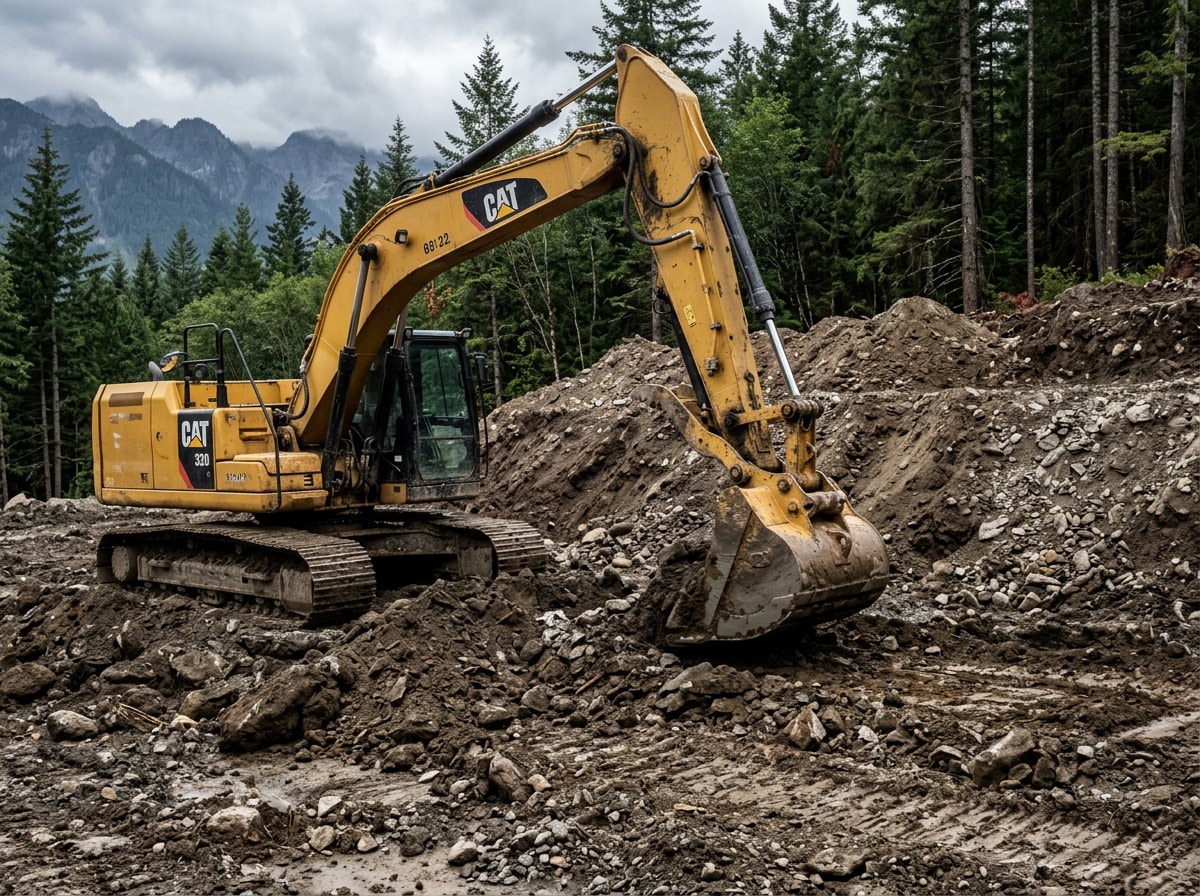
If you're comparing crews, start with a site preparation services page to see how a company structures this sequence for mountain properties specifically, then compare it against how they handle grading and excavation and land clearing as separate line items rather than one vague bundle.
How Much Does Site Preparation Cost in South Fork, CO?
Nationally, site work averages a meaningful share of total construction spending. In the NAHB's 2024 Cost of Constructing a Home survey, site work accounted for $32,719, or 7.6% of total construction cost, on an average single-family build. That figure covers permits, utility connections, and grading on a typical flat lot anywhere in the country.
South Fork lots rarely qualify as typical. Based on bids we see across the Rio Grande Valley, here's how local pricing tends to stack up against that national baseline:
| Project Scope | National Baseline (2026) | Typical South Fork Mountain Lot |
|---|---|---|
| Basic clearing and rough grading (under 1 acre) | $3,000 - $12,000 | $6,000 - $18,000 |
| Full site prep (clear, grade, soil test, rough pad) | $8,000 - $30,000 | $15,000 - $45,000 |
| Rock excavation, steep access, or extended haul surcharge | Not typically a factor | Adds 20% - 50% over baseline |
The gap exists for three reasons: rock removal that national averages don't assume, haul routes limited by narrow mountain roads, and a shortened work season above 8,000 feet that compresses scheduling and sometimes pushes crews into overtime to beat the first snow.
What Drives the Cost Up or Down
Terrain, vegetation density, soil type, and site access are the main variables on any lot. Steep grades and rocky subgrade increase equipment time. Heavy tree cover adds clearing labor. A lot with poor road access often requires smaller machinery that works slower.
Lot size matters too, but it's rarely the deciding factor. A small, rocky, hard-to-reach parcel can easily cost more to prep than a larger, flat lot with a gravel road already in place.
Budgeting for the Unknowns
A complete budget covers clearing, grading, soil testing, excavation, permit fees, and a contingency line for surprises like buried rock or a spring that only shows up after the ground thaws. Ask for a written estimate that itemizes each of these separately instead of bundling them into one number.
Most experienced buyers add 10 to 15 percent on top of the quoted price specifically to cover what a mountain lot tends to reveal once work starts.
Permits and Regulations for Site Work in South Fork
Grading, excavation, and septic work in South Fork fall under Rio Grande County's building and zoning rules, and most projects need more than one permit before equipment can move dirt.
Common permits include:
- Grading permit for cut, fill, or earthwork beyond the county's minor-disturbance threshold.
- Erosion and sediment control permit tied to the grading plan.
- Driveway or access permit where new grading affects the road frontage.
- OWTS (septic) permit through the county health department for any new or replaced drain field.
- Federal construction stormwater permit for sites disturbing an acre or more of soil.
A Clean Water Act permit is required for stormwater discharges from any construction activity disturbing 1 acre or more of land, or less than 1 acre if it's part of a larger common plan of development.
Colorado's wastewater siting rules also specifically call out mountain conditions. The state's regulations are written to accommodate Colorado-specific conditions, such as extreme temperatures and high-altitude facility installations, and may require Colorado-specific testing and data to support an alternative design. That's one more reason a drain field installation plan needs a contractor who already understands local elevation effects, not one learning on your dime.
A good contractor flags which of these permits apply to your specific lot before work starts, not after the county stops the job.
Mountain-Specific Site Challenges in South Fork
South Fork sits at roughly 8,200 feet in the upper Rio Grande valley, and that elevation shapes nearly every decision in the site prep phase. Steep slopes, rocky or clay-heavy soil, drainage tied to snowmelt, and a seasonal weather window that limits when heavy equipment can safely operate all factor into scheduling and cost.
Soil behavior also varies more than most buyers expect, sometimes within the same subdivision. Web Soil Survey provides soil data produced by the National Cooperative Soil Survey and is operated by the USDA Natural Resources Conservation Service. Many contractors pull this data before finalizing a grading plan, and it's worth asking your contractor whether they've checked it for your parcel.
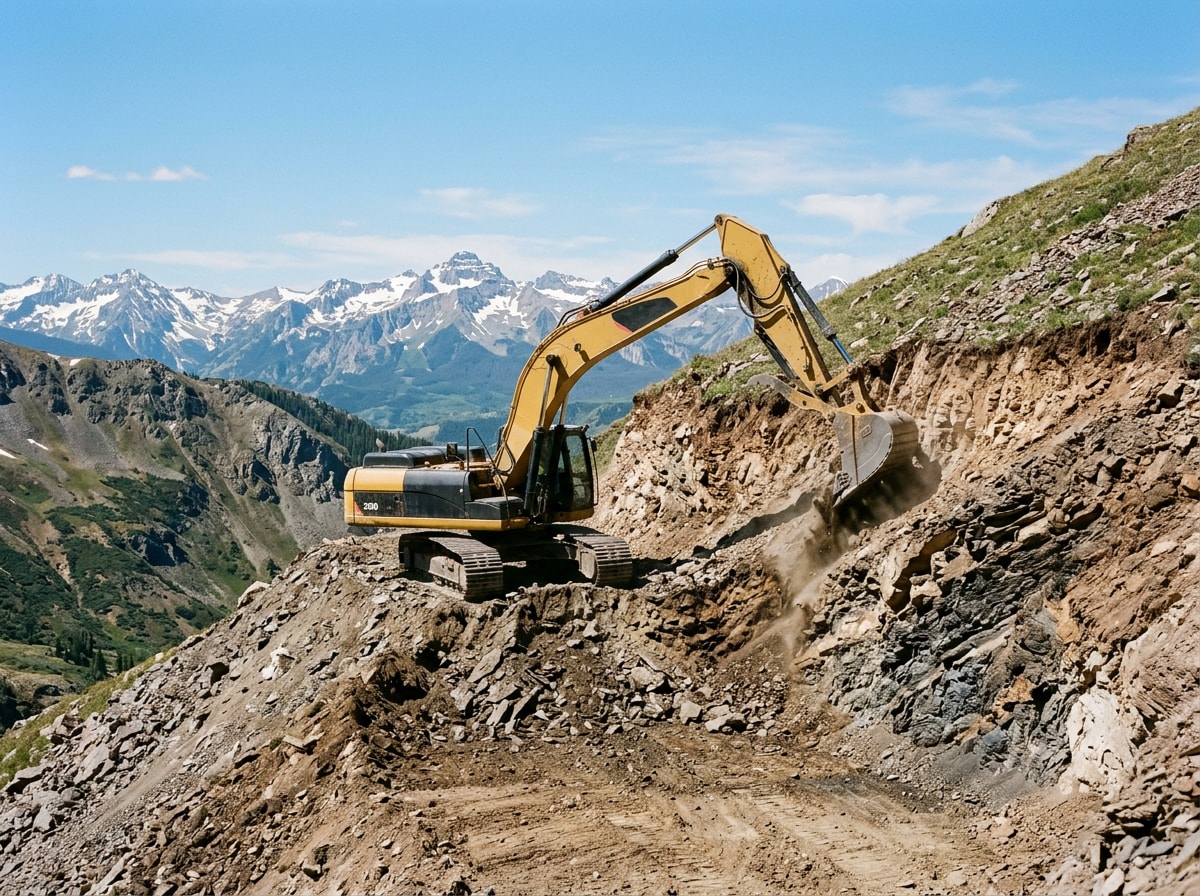
An experienced local contractor plans around these factors instead of discovering them mid-project: scheduling rock excavation early, designing grading to direct spring runoff away from the pad, and timing the work to finish before first snowfall. We've graded pads from the river bottom up toward the tree line, and the lots that caused the most trouble were rarely the ones with the worst brush. They were the ones with groundwater nobody tested for until the trench was already open.
If your lot sits in or near South Fork, ask your contractor directly whether they've worked that specific drainage or subdivision before, not just "the area" in general terms.
How to Choose and Hire a Site Preparation Contractor
Licensing, local terrain experience, and a written scope of work are the three details that most often prevent disputes later. Skip any one of them and you're negotiating blind.
Before signing anything:
- Confirm the contractor is licensed and insured for excavation work in Colorado.
- Ask how many South Fork-area or comparable mountain projects they've completed.
- Request a scope document that spells out grading depth, compaction standards, and cleanup responsibilities.
- Get the price in writing, itemized by task, not as a single verbal number.
A vague verbal estimate is a red flag regardless of how reasonable the price sounds.
How to Evaluate Competing Bids
Once you have two or three bids, line them up side by side rather than comparing bottom-line totals. Check that:
- Each bid covers the same scope of work.
- Line items are broken out instead of lumped into one total.
- The timeline is realistic for the season you're building in.
- Someone is clearly responsible for compaction testing.
A lower bid that skips compaction testing often costs more later in foundation repairs. For a closer look at vetting the general contractor who'll oversee the whole build, our Custom Home Builder South Fork, CO guide walks through the same kind of due diligence from the framing side.
Ready to compare options for your lot? Request a free estimate and get a written, itemized scope before you commit to anything. You can also browse recent completed projects to see how site work has played out on comparable mountain lots.
FAQ
How long does site preparation take in South Fork?
Most residential site preparation takes one to three weeks, depending on lot size, vegetation density, and soil conditions. Exposed bedrock, difficult access, and weather delays can extend that timeline, and mountain lots like those in South Fork often need extra buffer time for exactly these reasons.
What's the difference between excavation and site preparation?
Excavation is one task within the broader scope of site preparation, not a synonym for it. Site preparation covers the full sequence, clearing, grading, soil testing, and sometimes excavation, while excavation specifically means digging out soil for foundations, basements, or utility trenches.
Are there permits required for grading or site work in Rio Grande County?
Yes. Common permits include a grading permit, erosion and sediment control approval, and sometimes a driveway or septic permit, with exact requirements depending on your specific parcel. Projects disturbing an acre or more of soil typically also need coverage under federal stormwater regulations. A good contractor will identify which permits apply before work starts.
Can site preparation happen in winter in South Fork?
Heavy earthwork in South Fork usually has to wrap up before the first hard snow, often by late fall depending on elevation and that year's weather. Frozen or saturated ground slows excavation significantly and can compromise compaction, so most contractors plan major grading for spring through early fall.
What should I share when requesting a site prep estimate?
Send your site plan, property survey, and any known details about soil or drainage conditions. The more accurate information a contractor has upfront, the more reliable the quote will be. Vague requests tend to produce vague, less trustworthy numbers.
Do I need a soil test before site preparation starts?
In most cases, yes, especially if you're adding a septic system or building on a slope. A soil test confirms load-bearing capacity and drainage behavior, which affects both your grading plan and your foundation design.
---
This guide was prepared by the team at Whispering Pines Co., a general contractor serving South Fork, Pagosa Springs, and Bayfield, Colorado. Our crews handle site preparation, grading and excavation, and drain field installation on mountain lots throughout the Rio Grande Valley. Questions about your specific parcel? Contact us for a written estimate.